Taylor Swift and Blake Lively Text Messages Revealed: Everything We Know About the Unsealed Court Documents
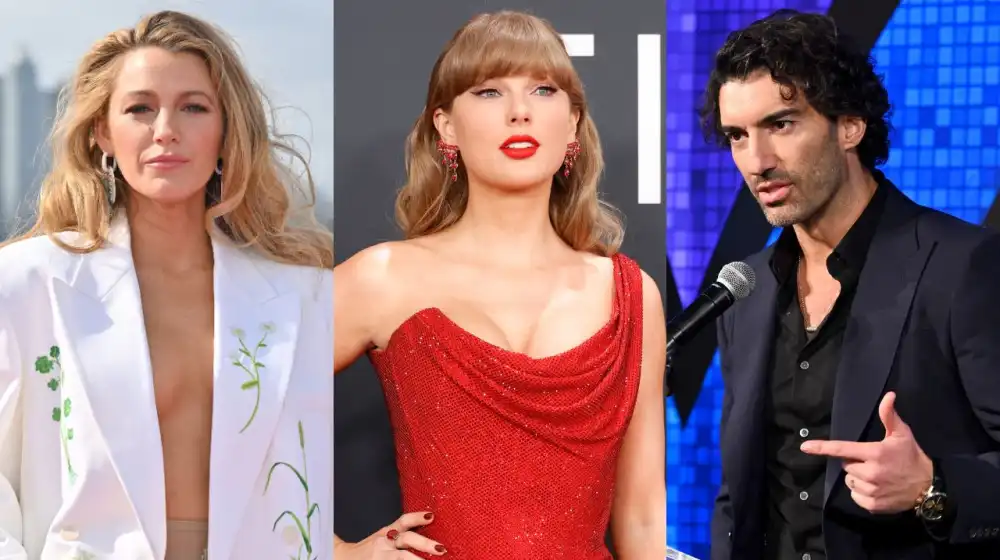
Text messages between Taylor Swift and Blake Lively have become one of the most talked-about developments in the ongoing legal battle between Blake Lively and former collaborator Justin Baldoni. The unsealing of hundreds of court documents in January 2026 has exposed private communications that shed new light on the high-profile dispute, with search interest for “taylor swift and blake lively” reaching breakout levels across multiple search queries.
The revelation of these text exchanges has captivated the public’s attention, generating what search data indicates is one of the most significant breakout entertainment stories of the year. As courts continue to process evidence ahead of the March 2026 trial date, these communications between two of entertainment’s most recognizable figures have become central to understanding the scope and nature of the allegations at the heart of this legal confrontation.
For those trying to understand what all the fuss is about, why these text messages matter, and what they reveal about the ongoing controversy, this comprehensive guide covers everything you need to know about the Taylor Swift and Blake Lively text message controversy that has dominated entertainment headlines and search trends.
What Are the Taylor Swift and Blake Lively Texts and Why Were They Unsealed?
The text messages between Taylor Swift and Blake Lively emerged as part of hundreds of unsealed court documents related to Blake Lively’s lawsuit against Justin Baldoni, the actor and director best known for helming the film adaptation of Colleen Hoover’s bestselling novel “It Ends With Us.” These 2024 text messages were included among numerous exhibits filed in connection with the ongoing legal proceedings, which have captivated entertainment news consumers since the initial filing in late 2024.
The unsealing occurred after a federal judge denied a request from Lively’s attorneys to keep her private communications with Swift confidential, ruling that the messages were relevant to the broader legal dispute and should be available as part of the public record. This decision opened the floodgates for media organizations and the public to examine communications that had previously been shielded from view, providing unprecedented insight into the relationship between two entertainment industry heavyweights during a period of significant professional tension.
The documents contain exchanges between Swift and Lively that reference Baldoni, “It Ends With Us” production dynamics, and the growing rift between Lively and her former director. These communications have become instrumental in shaping public understanding of the events leading up to Lively’s lawsuit and Baldoni’s subsequent counterclaims, offering a window into private conversations that both parties likely never intended to become public record.
What Did Taylor Swift Say About Justin Baldoni in the Text Messages?
According to court documents obtained by major news outlets including NBC News, People Magazine, and USA Today, Taylor Swift did not hold back in expressing her opinions about Justin Baldoni in her text exchanges with Blake Lively. In one particularly notable message, Swift allegedly referred to Baldoni using a profanity, expressing strong disapproval of the director in terms that left little ambiguity about her feelings regarding her friend’s professional situation.
The language attributed to Swift in these messages represents a stark departure from the diplomatic silence that many celebrities maintain when friends become embroiled in legal disputes. Rather than offering generic support or remaining neutral, Swift’s communications demonstrate clear alignment with Lively’s perspective and a willingness to use colorful language to express solidarity with her friend during what Lively has described as an extremely challenging professional experience.
The content of these messages has proven significant because it provides context for understanding the nature of the support network surrounding Lively during the “It Ends With Us” production and the period immediately following its release. Rather than showing isolated complaints, the texts reveal ongoing communication and active emotional investment in Lively’s wellbeing and professional circumstances from one of the world’s most recognizable celebrities.
How Did Blake Lively Describe Justin Baldoni in Her Texts to Taylor Swift?
Blake Lively’s text messages to Taylor Swift paint a unflattering picture of her experience working with Justin Baldoni on “It Ends With Us,” with Lively using terms like “doofus,” “clown,” and other less-than-flattering descriptors when discussing the director in her private communications. According to court documents and reporting from Entertainment Weekly and E! News, Lively’s messages to Swift during the film’s production contained candid assessments of Baldoni’s behavior and professional conduct.
In one exchange that has been widely cited in media coverage, Lively referred to Baldoni as someone who “thinks he’s a writer now,” suggesting frustration with the director’s creative approach to the adaptation of Hoover’s novel. The characterization of Baldoni as a “doofus” and “clown” in messages to one of her closest celebrity friends indicates that Lively’s concerns about the production environment were not isolated incidents but rather part of a consistent pattern of dissatisfaction that she shared with her inner circle.
These descriptions have taken on added significance as the legal proceedings have unfolded, with Baldoni’s legal team using them as evidence that Lively harbored negative feelings toward the director long before the public controversy erupted. The texts provide a timeline of Lively’s sentiments that both sides of the dispute have sought to interpret in ways favorable to their respective positions.
The Full Context of Lively’s Communications
Understanding Blake Lively’s text messages requires recognizing that they represent private frustrations shared with a trusted friend rather than formal complaints or legal accusations. The casual, conversational nature of celebrity text exchanges often involves language that would be inappropriate in professional settings, and critics have noted that extracting individual phrases from their context can distort the overall impression these communications were intended to convey.
Supporters of Lively have argued that the texts simply reflect normal human emotion—frustration with a difficult work situation shared privately with a friend—rather than evidence of any coordinated campaign against Baldoni. The warm, supportive tone of Swift’s responses in turn has been cited as evidence of genuine friendship rather than strategic alliance, with Swift reportedly writing “I’ll do anything for you !!” in response to Lively’s expressions of frustration.
Regardless of interpretation, the content of these messages has become impossible to ignore as the legal process continues toward its March 2026 trial date. Both sides have referenced the texts extensively in their filings, making them central artifacts in a case that has become a cultural lightning rod for discussions about workplace behavior, celebrity influence, and the boundaries between personal relationships and professional disputes.
What Is the Overall Lawsuit About?
The text message controversy exists within the context of a complex legal battle that began in December 2024 when Blake Lively filed a lawsuit against Justin Baldoni, alleging sexual harassment and creating a hostile work environment during the production of “It Ends With Us.” The complaint accused Baldoni of inappropriate conduct that Lively said created an intolerable working environment, triggering immediate media attention and public debate about accountability in Hollywood.
Baldoni responded in early 2025 with a countersuit accusing Lively of extortion and defamation, claiming that her original lawsuit was part of an elaborate scheme to damage his reputation and career. This countersuit dramatically escalated the dispute, transforming what could have remained a private legal matter into a very public clash that has involved multiple rounds of document requests, depositions, and court filings over the past year.
The trial scheduled for March 2026 will represent the culmination of these proceedings, with both parties preparing to present their respective cases before a judge or jury. The unsealing of text messages and other evidence in January 2026 represents one of the final pre-trial developments, providing both sides with additional material to build their arguments while giving the public unprecedented access to the underlying facts of the dispute.
Why Did Justin Baldoni’s Team Try to Subpoena Taylor Swift?
Following the initial lawsuit filing, Justin Baldoni’s legal team attempted to subpoena Taylor Swift, seeking her testimony and potentially additional communications related to her relationship with Blake Lively and her knowledge of the events surrounding the “It Ends With Us” production. This legal maneuver reflected Baldoni’s interest in understanding the full scope of Lively’s communications and support network during the period in question.
The subpoena attempt was significant because it signaled Baldoni’s belief that Swift’s knowledge of the situation could be relevant to determining what actually occurred during the film’s production. If successful, the subpoena could have compelled Swift to provide testimony, produce additional text messages, or submit to deposition questioning about her communications with Lively and her understanding of the events at the heart of the dispute.
Ultimately, it remains unclear whether Baldoni’s subpoena efforts succeeded or whether Swift was ever required to provide formal testimony in the proceedings. The fact that her text messages with Lively became part of the public record through the unsealing process suggests that both sides recognized the potential relevance of these communications to the broader case, even without direct testimony from Swift herself.
What Are ‘Cancelled’ Taylor Swift Lyrics and Why Are People Searching?
Search data indicates that queries like “cancelled lyrics” and “cancelled taylor swift lyrics” have experienced breakout growth alongside the Blake Lively and Justin Baldoni controversy. This interest appears connected to speculation that Taylor Swift’s song “ThanK You aIMee”—from her 2024 album “The Tortured Poets Department”—may contain references to past conflicts and that the timing of certain lyrics could be connected to the ongoing entertainment industry conversations about accountability and public disputes.
The song, which features the recurring phrase “I will see you in court,” has been analyzed by fans and media outlets for potential references to various public figures and conflicts in Swift’s career. While Swift has never confirmed the specific inspiration for the track, the lyricism and timing have generated extensive speculation that connects the song to broader patterns of public conflict resolution in celebrity culture.
The intersection of Swift’s music with her real-life conflicts creates a unique cultural moment where private disputes become subject to public interpretation through the lens of artistic expression. As fans and commentators continue to analyze potential connections between Swift’s lyrics and her personal experiences, searches for “cancelled taylor swift lyrics” and related terms reflect ongoing curiosity about how Swift processes and responds to conflict through her music.
Who Else Is Mentioned in the Court Documents?
Beyond Taylor Swift, the unsealed court documents in the Blake Lively versus Justin Baldoni lawsuit include references to numerous other entertainment industry figures who were somehow connected to the “It Ends With Us” production or the subsequent controversy. Search data indicates particular interest in individuals like Jenny Slate and Nicola Peltz, whose names have appeared in various court filings and media coverage of the dispute.
Jenny Slate, known for her work in comedy and independent films, appears connected to the case through her professional relationship with either Lively or Baldoni, though the specific nature of her involvement has not been fully detailed in publicly available court documents. Nicola Peltz, actress and wife of Brooklyn Beckham, has similarly been mentioned in connection with the case, though her exact role in the proceedings remains unclear from the limited information that has been made public.
These additional names reflect the broader network of relationships that exist within Hollywood professional circles and how legal disputes in the entertainment industry often involve multiple parties who may become enmeshed in proceedings through their connections to the primary litigants. As the case continues toward trial, additional figures may emerge as witnesses, references, or parties with relevant information about the events at the center of the dispute.
How Has the Public Responded to the Text Message Revelations?
The public response to the Taylor Swift and Blake Lively text message revelations has been intense and divided, reflecting the broader polarization that has characterized public discourse around the entire Lively-Baldoni dispute. Supporters of Lively have pointed to Swift’s supportive messages as evidence of genuine friendship and solidarity during a difficult time, while critics have questioned whether the celebrity connection influenced the legal strategy or public relations approach taken by Lively’s team.
Social media platforms have been flooded with commentary, analysis, and debate about what the texts reveal about the personalities involved, the nature of their friendship, and the implications for the broader legal case. The celebrity status of both Swift and Lively has elevated the story beyond typical entertainment news, transforming it into a cultural moment that reflects ongoing conversations about power dynamics, accountability, and the appropriate boundaries of friendship in professional contexts.
Media outlets have devoted extensive coverage to the unsealed documents, with major news organizations including NBC News, USA Today, People Magazine, and Entertainment Weekly providing detailed reporting on the content of the texts and their potential significance for the case. This coverage has helped drive the breakout search interest that has characterized queries related to the story, as members of the public seek reliable information about developments in this ongoing legal saga.
What Happens Next in the Blake Lively vs. Justin Baldoni Case?
The next major development in the Blake Lively versus Justin Baldoni legal battle is the trial scheduled for March 2026, which will represent the first opportunity for a judge or jury to evaluate the competing claims and counterclaims that have been exchanged over the past year. Both sides have been preparing their cases while additional evidence—including the recently unsealed text messages—has continued to surface through the discovery process.
The trial will likely feature testimony from multiple witnesses, potentially including Blake Lively, Justin Baldoni, and possibly other figures mentioned in court documents throughout the proceedings. Taylor Swift’s texts, while not necessarily requiring her direct testimony, will almost certainly be referenced by both sides as they present their respective interpretations of events during the “It Ends With Us” production and its aftermath.
Regardless of the trial’s outcome, the case has already had significant implications for how workplace behavior in Hollywood is discussed and evaluated. The intense public interest, the unsealing of private communications, and the celebrity involvement have transformed what might otherwise have been a private legal matter into a defining moment for conversations about power, accountability, and the appropriate boundaries of professional relationships in the entertainment industry.
Why Is This Story Trending Now? Understanding the Search Interest Surge
The breakout search interest in “taylor swift and blake lively” and related queries reflects several factors converging to create perfect conditions for viral news consumption. The unsealing of court documents in January 2026 provided concrete new information that justified renewed attention to a story that had remained relatively quiet during the months of legal preparation and discovery.
The involvement of Taylor Swift, one of the world’s most searched and discussed celebrities, has amplified interest far beyond what the story might have generated based solely on the Lively-Baldoni dispute. Fans of Swift who might not otherwise follow entertainment industry legal battles have been drawn into the conversation by the presence of their favorite artist in the text message revelations, creating a broader audience for coverage of the case.
The timing of the unsealing—coming just weeks before the scheduled March 2026 trial—has also created urgency among those seeking to understand the context before proceedings begin. As both sides prepare for what could be a watershed moment in the case, the public’s appetite for information about the underlying dispute has intensified, driving the search interest that has made this story one of the breakout entertainment topics of the year.



Comments (0)