BREAKING: Major Winter Storm Fern Targets 15 Million Americans With Damaging Ice And Heavy Snow
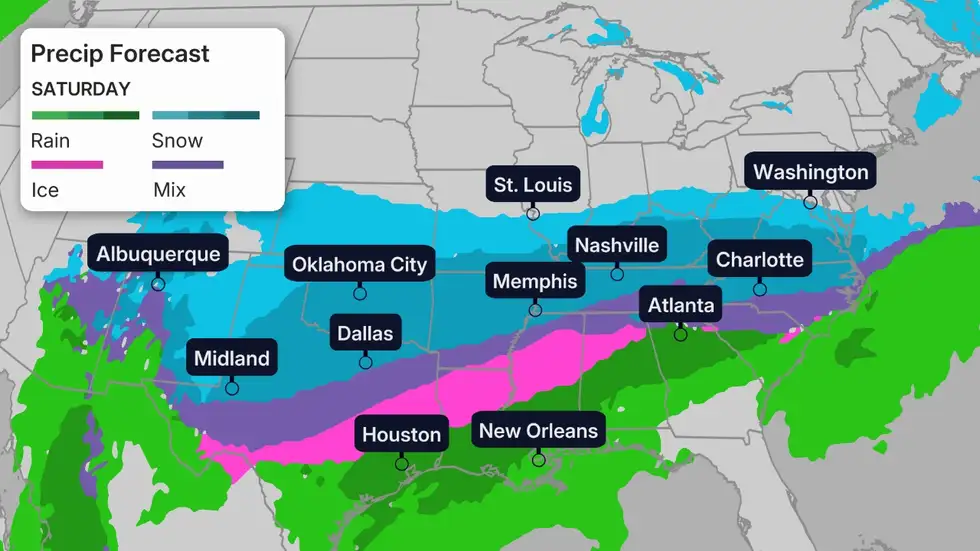
Millions of Americans across the South and East are bracing themselves as a powerful winter storm named Fern prepares to unleash potentially damaging ice and heavy snow from Friday through the weekend. The storm system, which has already been named by The Weather Channel, threatens to bring dangerous travel conditions, widespread power outages, and significant disruption to daily life for residents in multiple states. If you live in the affected areas, here’s what you need to know to stay safe and prepared.
The Storm’s Path And Timeline
Meteorologists are tracking a major winter storm that will sweep from the South into parts of the East beginning Friday and continuing through the weekend. The system will bring snow, sleet, and freezing rain across a broad region spanning from Texas and Oklahoma to the Carolinas and mid-Atlantic states. This comes just days after parts of the South already saw snowfall last weekend, meaning many residents are still dealing with cold temperatures and slick roads.
Cities Under The Gun
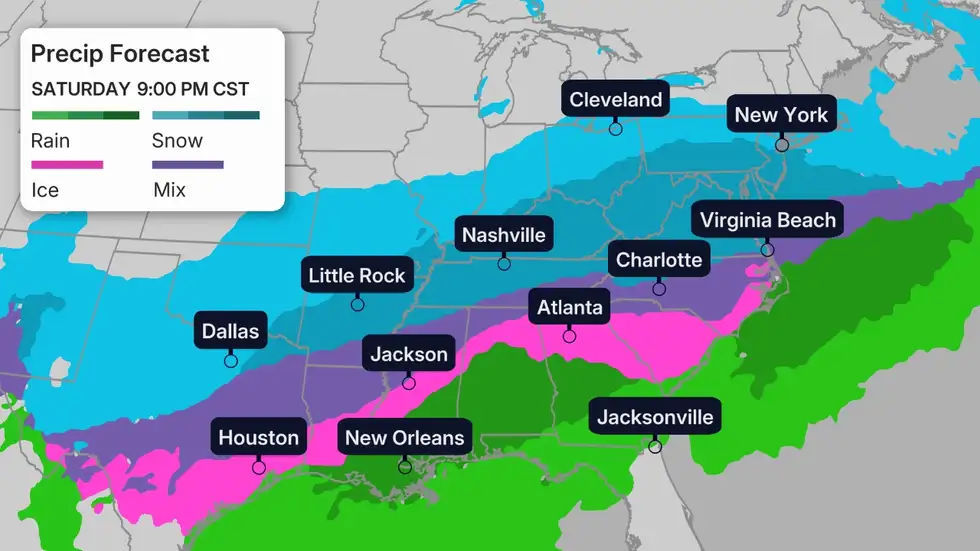
Major metropolitan areas expected to face significant impacts include Lubbock, Oklahoma City, Tulsa, Little Rock, Memphis, Dallas, Austin, Nashville, Huntsville, Charlotte, Raleigh, Richmond, Washington D.C., Baltimore, Philadelphia, New York City, and Boston. The storm will intensify and expand its reach as it moves eastward, with Saturday and Saturday night expected to bring the most severe conditions to the largest number of people.
Dangerous Ice Accumulations Expected
Forecasters warn that significant ice accumulations are expected across a wide swath of the South, from parts of Texas all the way to the Carolinas. In these areas, ice buildup will be thick enough to make roads hazardous or even impassable, while also accumulating on trees and power lines. This poses a serious risk of tree damage and numerous power outages that could last hours or even several days, especially as cold air plunging into the region during and after the storm will leave many without heating.
Heavy Snow Predicted For Millions
While exact snowfall amounts are still being refined, a broad area from northern Texas and Oklahoma to the mid-Atlantic states could see heavy snowfall accumulations from Friday through late Sunday. Some roads in parts of the South and Appalachians could become completely impassable by the weekend, leaving travelers stranded and emergency responders struggling to reach those in need. The dangerous travel conditions have experts urging residents to avoid unnecessary trips.
| Impact Type | Affected Region | Expected Duration | Risk Level |
|---|---|---|---|
| Heavy Snow | TX to Mid-Atlantic | Friday-Sunday | High |
| Damaging Ice | Southern States | Friday-Sunday | Critical |
| Power Outages | Broad South Region | Hours to Days | High |
| Hazardous Roads | Multiple States | Entire Weekend | Severe |
The Perfect Storm Setup
Weather experts explain that atmospheric conditions are aligning to create what they call a perfect setup for widespread winter weather. Two main factors are contributing to this dangerous situation. First, an Arctic High pressure system is settling over the Great Lakes near the end of the week, bringing bitter cold air deep into the South. Second, a storm system originating in the Southwest is heading east, bringing moisture northward ahead of the disturbance. When the Arctic High pumps cold air into the region while moisture arrives, conditions become ideal for winter precipitation.
Preparation Is Critical
Officials are urging residents in the affected areas to prepare now for the potential of extended power outages and dangerous conditions. Stocking up on food, water, batteries, and emergency supplies is strongly recommended. If you have medical equipment that requires electricity, now is the time to make backup power arrangements. Families should also check on elderly neighbors and relatives who may need assistance preparing for the storm. Check back frequently for updates as forecasters continue to refine their predictions and pinpoint exactly which areas will face the worst conditions.





Comments (0)