Marine Biologist Salary Guide 2026: How Much Can You Earn in This Rewarding Career?
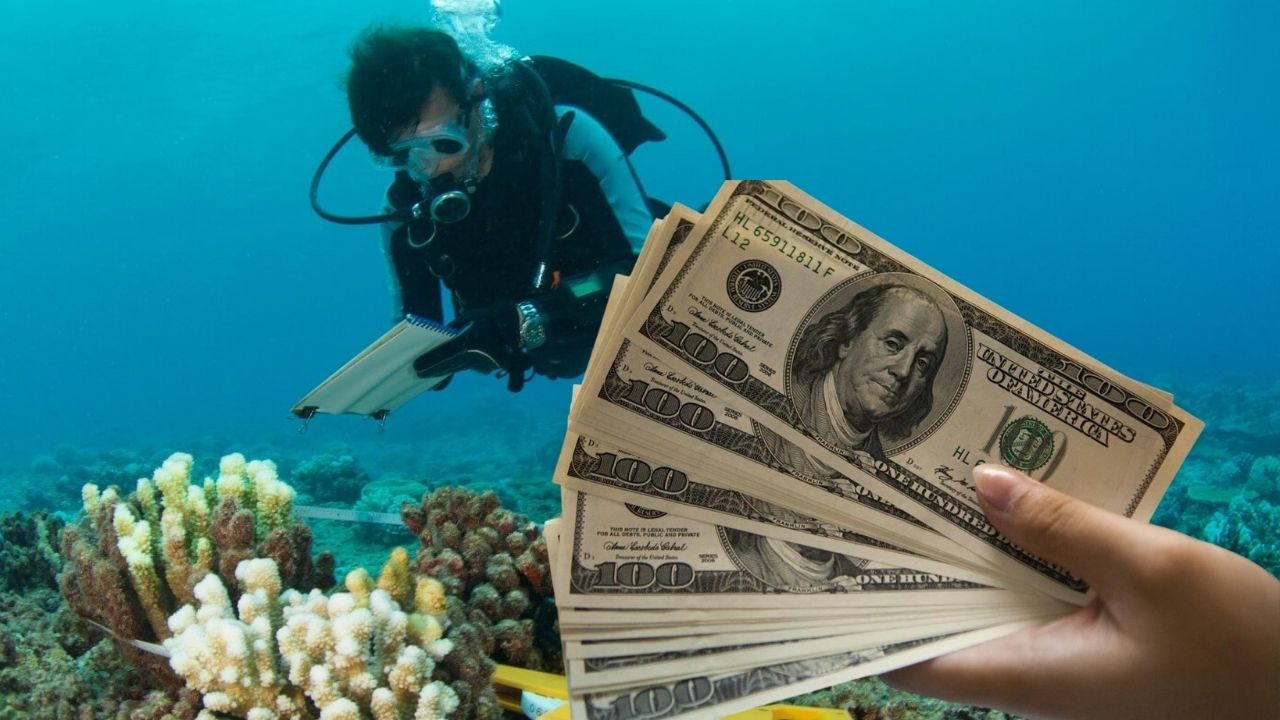
Marine biology offers a compelling career path for science enthusiasts passionate about ocean conservation, marine life research, and environmental stewardship. If you’re considering this career or wondering whether pursuing a marine biology degree will pay off financially, understanding the realistic salary expectations is essential for making informed decisions about your future. The marine biology field encompasses diverse specializations, work environments, and earning potential that vary significantly based on education level, experience, geographic location, and specific job roles within the industry.
According to the most recent data from the U.S. Bureau of Labor Statistics (BLS), zoologists and wildlife biologists—which includes marine biologists—earned a median annual wage of $72,860 as of May 2024, representing a solid middle-class income for professionals working in scientific research and conservation 1. However, this figure represents a broad category that encompasses various specializations, and actual marine biologist salaries can range significantly depending on factors we’ll explore throughout this article. Understanding these variables helps prospective marine biologists set realistic expectations and develop career strategies that maximize their earning potential while pursuing their passion for marine science.
The question of whether you can make good money as a marine biologist depends largely on how you define “good money” and which career path within marine science you pursue. While marine biologists may not earn the highest salaries in the broader scientific community, many professionals in the field report high job satisfaction that extends beyond financial compensation. The opportunity to work in stunning marine environments, contribute to meaningful conservation efforts, and make discoveries about ocean ecosystems provides intrinsic rewards that many professionals consider equally valuable to their paycheck.
What Is the Average Marine Biologist Salary in the United States?
The average salary for marine biologists in the United States varies considerably across different sources and job levels, creating some confusion for those researching career prospects. According to data from job platforms including Indeed and ZipRecruiter, entry-level marine biologist positions typically pay around $43,000 to $45,000 per year, with hourly rates averaging approximately $21 to $22 per hour 5,7. These figures represent starting salaries for professionals with bachelor’s degrees entering the field, often in research assistant or field technician roles that provide crucial experience for career advancement.
More experienced marine biologists with several years of professional experience and advanced credentials can expect significantly higher compensation. The BLS reports that the middle 50% of zoologists and wildlife biologists earn between $56,530 and $91,620 annually, while those in the top 10% of earners make more than $102,960 per year 1. Salary growth typically corresponds with accumulated experience, professional reputation, acquisition of specialized skills, and advancement into supervisory or principal investigator roles within research organizations, government agencies, or private consulting firms.
Glassdoor reports a higher average salary figure of approximately $134,488 per year for marine biologists, though this figure likely includes senior-level positions, specialized researchers, and professionals working for private companies or consulting firms where compensation packages may include additional benefits and bonuses 2. The disparity between government reported data and job platform figures highlights the importance of considering the full context of salary information, including the specific types of employers, experience levels, and geographic regions represented in different data sets.
Geographic location plays a substantial role in determining marine biologist salaries, with certain states offering notably higher compensation due to concentration of marine biology employers, cost of living differences, and regional demand for marine science professionals. Washington state offers the highest average marine biologist salary at approximately $49,150, followed by other coastal states including Massachusetts, California, and Florida where marine biology job markets are robust 16. Marine biologists willing to relocate to areas with strong marine science sectors often find better paying opportunities, though they should also consider local cost of living when evaluating these figures.
Can You Make Good Money as a Marine Biologist?
The answer to whether you can make good money as a marine biologist requires honest assessment of both the opportunities and limitations within the field. Marine biology is not typically chosen by professionals seeking maximum earning potential—fields like technology, finance, and medicine generally offer higher starting salaries and faster income growth. However, marine biologists who advance in their careers, acquire advanced degrees, or transition into administrative or consulting roles can achieve comfortable middle-class to upper-middle-class incomes while working in careers they find deeply fulfilling.
Entry-level marine biologists should expect salary figures similar to other biological science fields, typically ranging from $40,000 to $50,000 annually for positions requiring bachelor’s degrees. This starting point reflects the competitive nature of marine science fields, where passionate professionals often compete for limited positions, driving initial compensation lower than in some other scientific disciplines. However, those who persist in their careers and continue developing their expertise often see meaningful salary progression over time.
Professionals who obtain master’s degrees or doctorates in marine biology significantly expand their earning potential and career opportunities. Advanced degree holders frequently qualify for research positions, university faculty appointments, and senior scientific roles that command salaries well above the field’s median. According to educational institutions tracking marine science career outcomes, marine biologists with doctoral degrees working in research or management positions can earn $80,000 to $120,000 or more annually, particularly when leading research projects or managing marine conservation programs 14.
The highest-paying positions in marine biology often lie outside traditional research roles, extending into natural science management, environmental consulting, and senior administrative positions. Natural science managers—the highest-paying role directly connected to marine biology—earn an average salary of $157,747 according to industry data 14. Marine scientists working for private research institutions, environmental consulting firms, or government agencies can also command six-figure salaries when they bring extensive experience, specialized expertise, and proven track records of securing research funding or delivering complex environmental assessments.
What Are the Highest Paying Marine Biology Jobs?
Marine biology encompasses a diverse range of career paths with significantly different salary profiles, and understanding these variations helps aspiring professionals make strategic decisions about their education and career development. The field extends far beyond the image of researchers diving on coral reefs, including laboratory work, policy development, environmental consulting, resource management, and scientific administration that offer varying compensation levels.
Natural Science Managers represent the highest earning potential in marine-related fields, with average salaries reaching $157,747 per year for professionals who oversee research programs, direct scientific teams, and coordinate large-scale environmental projects 14. These positions require extensive experience—typically a decade or more in the field—along with advanced degrees and demonstrated leadership capabilities. Natural science managers work for government agencies, research institutions, environmental organizations, and private consulting firms where they combine scientific expertise with administrative responsibility.
Marine Scientists and Research Scientists working for private research institutions, universities, or government laboratories earn average salaries around $93,377 annually, with significant variation based on institutional funding, research focus area, and individual publication records 10. Research scientists who secure competitive grant funding, publish influential studies, and develop specialized expertise in high-demand areas like climate change impacts, marine pollution, or endangered species recovery often command higher compensation.
Marine Engineers working on vessel design, offshore infrastructure, or marine technology development earn approximately $92,485 per year, representing a lucrative crossover between marine science and engineering 9. While these positions require engineering rather than biology training, they offer higher starting salaries and strong job growth prospects for professionals interested in marine environments without exclusive focus on biological research.
Senior Biologists and Environmental Scientists with specialized expertise in marine ecosystems earn average salaries of approximately $56,527 to $70,000 depending on experience level, employer type, and geographic location 9,11. These professionals often serve as project leaders, senior consultants, or agency specialists who provide technical expertise on marine environmental issues, regulatory compliance, and conservation strategies.
Marine Research Technicians and Field Biicians represent entry and mid-level positions with salaries typically ranging from $40,000 to $55,000 annually 18. These roles provide essential support for research operations, including sample collection, data management, equipment maintenance, and field operations coordination. While these positions offer lower compensation than senior roles, they provide invaluable experience and professional development opportunities for those building marine biology careers.
How Education and Experience Affect Marine Biologist Salaries
Education level represents one of the most significant factors influencing marine biologist salaries, with advanced degrees unlocking access to higher-paying positions and greater career advancement opportunities. Bachelor’s degree holders typically qualify for entry-level positions including research assistants, field technicians, and environmental monitoring roles with salaries starting around $40,000 to $50,000 annually. While these positions provide valuable hands-on experience and exposure to various marine biology career paths, advancement into higher-paying roles often requires additional education.
Master’s degree holders gain access to a broader range of positions with increased responsibility and compensation. Professionals with M.S. or M.A. degrees in marine biology, oceanography, or related fields often qualify for project manager roles, university research positions, and government agency specialist positions with salaries ranging from $55,000 to $80,000 depending on experience and location. Master’s programs typically provide specialized training in particular aspects of marine science, enabling graduates to develop expertise that commands premium compensation in specific job markets.
Doctoral degrees (Ph.D.) offer the most significant earning potential in marine biology, particularly for professionals pursuing academic careers, principal investigator roles at research institutions, or senior scientific positions. Ph.D. holders can earn $80,000 to $150,000 or more in senior research roles, university professorships with tenure, or leadership positions in government and private research organizations 14. However, doctoral programs require significant time investment—typically five to seven years beyond the bachelor’s degree—and the academic job market remains highly competitive, making this path best suited for those genuinely passionate about research careers.
Professional experience compounds the effects of education on earning potential. Marine biologists with six months to two years of professional experience often start at higher salaries than recent graduates due to demonstrated competency and professional networks developed during their initial positions 6. Experienced professionals with ten or more years in the field typically command salaries at the higher end of their job category, particularly if they’ve developed specialized expertise, published research, or built strong professional reputations within the marine science community.
State-by-State Marine Biologist Salary Comparison
Geographic location significantly impacts marine biologist salaries due to variations in employer concentration, cost of living, state funding for marine research, and local demand for marine science expertise. Coastal states with robust marine ecosystems, active research institutions, and strong fishing and tourism industries offer the most opportunities and typically higher compensation for marine biology professionals.
Washington leads all states with the highest average marine biologist salary at approximately $49,150, reflecting the state’s concentration of marine research institutions, NOAA facilities, and active fisheries management programs 16. Washington’s marine biologists benefit from proximity to Puget Sound, the Olympic Coast, and extensive freshwater research opportunities, along with relatively strong state funding for marine science initiatives.
California offers substantial marine biology opportunities despite a competitive job market that can pressure starting salaries. The state’s extensive coastline, world-class research institutions including Scripps Institution of Oceanography, and diverse marine ecosystems attract passionate professionals willing to accept competitive compensation in exchange for working in one of the world’s most iconic marine environments. California marine biologists benefit from relatively high cost of living, which translates to higher nominal salaries that may not stretch as far as in less expensive regions.
Massachusetts offers strong marine biology salaries supported by prestigious research institutions, biotechnology companies, and government facilities focused on marine and fisheries science. The state’s concentration of oceanographic research, including the Woods Hole Oceanographic Institution and various university programs, creates demand for qualified marine biologists across research, consulting, and regulatory positions.
Florida provides numerous marine biology opportunities given its extensive coastline, vibrant fishing industry, and growing marine tourism sector. The average marine biologist salary in Florida hovers around $57,000, with entry-level positions starting closer to $45,000 for recent graduates 18. Florida’s relatively lower cost of living compared to coastal California and Massachusetts makes these salary figures more practical for professionals seeking quality of life alongside meaningful marine science careers.
Other Coastal States including Alaska, Oregon, Hawaii, and Gulf Coast states offer varying opportunities for marine biologists with salaries reflecting local economic conditions and research funding levels. Hawaii’s unique marine ecosystems attract researchers interested in tropical and coral reef science, while Alaska’s commercial fishing industry creates demand for marine biologists focused on fisheries management and stock assessment.
Career Outlook and Growth Potential for Marine Biologists
The job outlook for marine biologists and related wildlife biologists remains positive, with the BLS projecting steady employment growth in coming years driven by continued demand for environmental research, conservation programs, and resource management expertise 1. However, competition for positions in this passionate field remains intense, with many more qualified candidates than available openings at the most desirable research institutions and government agencies.
Climate change research, ocean acidification studies, marine pollution assessment, and endangered species recovery efforts are driving increased demand for marine biologists with specialized expertise in these critical areas. Government agencies including NOAA, EPA, and state environmental agencies continue hiring marine biologists to support regulatory compliance, environmental monitoring, and natural resource management programs. Private consulting firms increasingly require marine biology expertise to support infrastructure development, environmental impact assessments, and corporate sustainability initiatives.
Marine biologists who develop complementary skills—including data science, geographic information systems (GIS), grant writing, or science communication—enhance their employability and earning potential in a competitive job market. The ability to analyze large datasets, visualize complex marine processes, or communicate scientific findings to public audiences and policymakers provides significant career advantages for professionals seeking advancement opportunities.
Professionals willing to consider non-traditional career paths within marine science often find better compensation than those pursuing strictly academic research positions. Environmental consulting, renewable energy development (offshore wind, tidal power), marine biotechnology, and marine technology industries offer opportunities for marine biologists with relevant expertise to earn competitive salaries while applying their knowledge to practical applications with significant environmental and economic impact.
Tips for Maximizing Your Marine Biology Career Earnings
Successfully building a lucrative marine biology career requires strategic thinking beyond simply pursuing advanced degrees and accumulating experience. Professionals who take proactive approaches to career development often achieve higher earning potential than those who simply follow traditional academic pathways without considering market demands and personal positioning.
Develop Specialized Expertise in high-demand areas such as marine mammal science, coral reef ecology, fisheries management, or marine pollution assessment. Specialists often command premium salaries because their expertise is rare and essential for addressing specific environmental challenges. Consider what unique combination of skills and knowledge you can offer that distinguishes you from other marine biology professionals.
Build Professional Networks through conference participation, professional organization membership, and collaborative research projects. Marine biology remains a relationship-driven field where opportunities often emerge through professional connections rather than formal job postings. Active participation in professional communities like the Marine Technology Society, Coastal and Estuarine Research Federation, or American Fisheries Society can open doors to higher-paying opportunities.
Consider Geographic Flexibility when evaluating job opportunities. While many marine biologists prefer working in iconic coastal locations, professionals willing to relocate to areas with strong marine science sectors and lower competition often find better paying positions with greater advancement potential. Washington, Virginia (near NOAA headquarters), and various Gulf Coast states offer opportunities that may surprise professionals focused exclusively on California and Massachusetts.
Pursue Professional Certifications that demonstrate validated expertise and commitment to professional standards. While marine biology lacks the formal certification requirements of fields like accounting or project management, professional credentials in areas like GIS, environmental auditing, or project management can enhance resume appeal and justify higher compensation requests.
Negotiate Strategically when offered positions, recognizing that initial salary often sets the baseline for future compensation growth. Research salary ranges for specific positions using resources like BLS occupational data, Glassdoor, and professional network information. Understand the total compensation package including benefits, research funding, professional development support, and work-life balance considerations rather than focusing exclusively on base salary figures.
Final Thoughts on Marine Biologist Salary Potential
Marine biology offers a realistic path to comfortable middle-class income for professionals who approach their careers strategically while maintaining genuine passion for marine science and ocean conservation. The median salary of approximately $73,000 for experienced professionals provides solid financial foundation, while those who advance into senior, management, or specialized consulting roles can achieve upper-middle-class incomes exceeding $100,000 annually 1. Natural science managers and senior researchers can earn $150,000 or more, demonstrating that significant earning potential exists for dedicated marine biology professionals.
Prospective marine biologists should enter the field with realistic expectations about both the opportunities and challenges ahead. Competition for desirable positions remains intense, starting salaries can be modest, and significant education investment is often required for career advancement. However, for professionals who combine scientific passion with strategic career thinking, marine biology offers meaningful work in stunning environments alongside reasonable financial compensation.
The marine biology field continues evolving with new challenges and opportunities emerging from climate change impacts, growing interest in marine renewable energy, and increasing recognition of ocean ecosystem importance for planetary health. Professionals who position themselves to address these emerging needs—through specialized expertise, interdisciplinary skills, and strategic career positioning—will find the best opportunities for both personal fulfillment and financial success in this rewarding scientific field.
Whether you’re a student exploring career options, a professional considering a career change, or a current marine biologist seeking to maximize your earning potential, understanding the salary landscape helps inform decisions while maintaining focus on the passionate work that draws professionals to marine science in the first place. The ocean needs dedicated scientists, and those who answer that call while building strategic careers can find both purpose and prosperity in marine biology.






Comments (0)