Pacific States Marine Fisheries Commission: Everything You Need to Know About PSMFC and Its Role in West Coast Fisheries Management
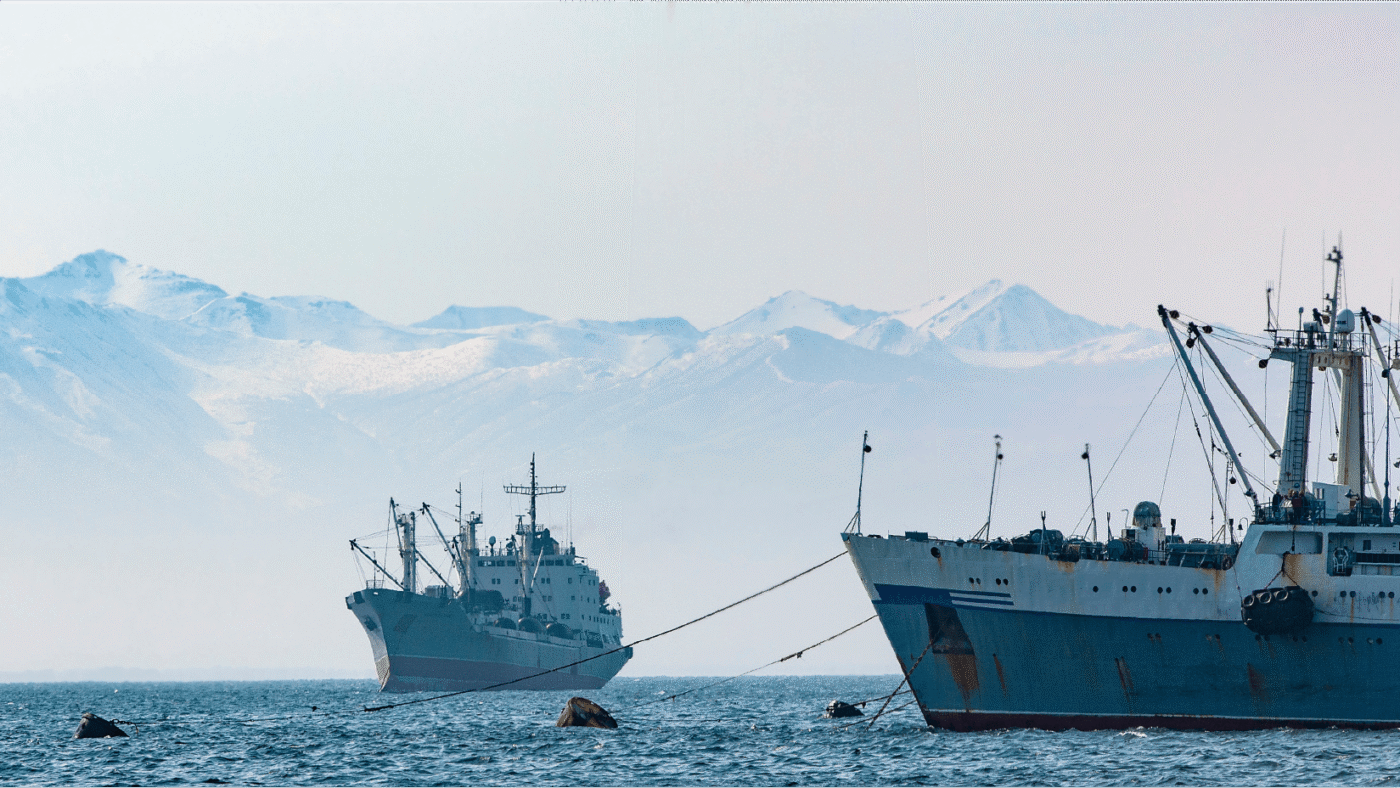
The Pacific States Marine Fisheries Commission, commonly known as PSMFC, plays a vital but often overlooked role in managing and conserving fishery resources across the western United States. For fishermen, policymakers, and anyone interested in marine conservation on the Pacific Coast, understanding what PSMFC does and how it impacts fishing communities is essential knowledge that can help explain many of the regulations, support programs, and data systems that shape modern fisheries management.
If you’ve been searching for information about the Pacific States Marine Fisheries Commission, you’re likely trying to understand what this organization does, how it gets funded, what services it provides to fishermen, or which states participate in its programs. These are all excellent questions that get to the heart of how fisheries management actually works on the Pacific Coast, where multiple states share interconnected marine ecosystems that don’t respect political boundaries.
This comprehensive guide covers everything you need to know about the Pacific States Marine Fisheries Commission, from its founding and mission to the specific programs and services it provides to fishing communities, commercial fishermen, and state management agencies across the western United States.
What Is the Pacific States Marine Fisheries Commission?
The Pacific States Marine Fisheries Commission is an interstate compact agency established in 1947 to help Pacific coast states work collectively on shared fishery management challenges. The commission serves as a coordinating body that brings together California, Oregon, Washington, Idaho, and Alaska to address mutual concerns about marine, shell, and anadromous fisheries that cross state boundaries and require cooperative management approaches 128.
Unlike a regulatory agency that sets rules and enforces compliance, PSMFC functions more as a facilitator and service provider that helps its member states implement effective fisheries management programs. The commission was created specifically because fish don’t respect state lines—a salmon that spawns in Oregon rivers may be caught in Washington waters, and crab populations in Alaska affect fishing opportunities all along the Pacific Coast. By providing a forum for interstate cooperation and technical assistance, PSMFC helps ensure that fisheries management decisions account for the interconnected nature of Pacific marine ecosystems 125.
The commission’s mission, as stated in its governing compact, is “to promote the better utilization of fisheries—marine, shell, and anadromous—which are of mutual concern to the several states.” This mission encompasses everything from scientific research and data collection to habitat restoration, fishery disaster assistance, and the development of information systems that help managers make informed decisions about fishery resources 131.
PSMFC operates as a public agency with a governance structure that includes commissioners from each member state, typically the heads of state fisheries agencies or their designated representatives. This structure ensures that the commission remains accountable to the states it serves while maintaining the flexibility to respond quickly to emerging fisheries challenges across the Pacific region.
The Commission’s Role in Modern Fisheries Management
In contemporary fisheries management, PSMFC serves as a critical infrastructure provider that enables effective resource stewardship through data collection, analysis, and information sharing. The commission has developed sophisticated systems for tracking commercial landings, monitoring vessel movements, and aggregating fisheries data from multiple states into usable formats for managers and researchers 124.
These data systems have become increasingly important as fisheries management has shifted toward science-based approaches that rely on accurate, timely information about fish populations, fishing effort, and catch rates. PSMFC’s technology infrastructure helps ensure that the five states it serves can share information seamlessly, enabling coordinated management of fisheries that span multiple jurisdictions 130.
The commission also serves as a trusted partner for federal agencies including the National Marine Fisheries Service (NMFS) and the Bonneville Power Administration, which provide significant funding for fisheries research and habitat restoration programs. By administering these federal programs at the regional level, PSMFC helps ensure that federal resources are directed toward priorities that reflect local needs and conditions.
Who Funds PSMFC Programs?
The Pacific States Marine Fisheries Commission receives funding from a combination of federal grants, contracts from federal agencies, and contributions from member states, though federal sources provide the vast majority of the commission’s operational budget. Understanding who funds PSMFC and how those funds are used helps explain the commission’s priorities and the types of programs it delivers to fishing communities.
The primary federal funders of PSMFC programs include the National Marine Fisheries Service (NMFS), which is part of the National Oceanic and Atmospheric Administration (NOAA), and the Bonneville Power Administration (BPA), which provides funding for fisheries programs related to hydropower and fish passage mitigation. These federal agencies contract with PSMFC to administer regional programs that support fisheries management, research, and habitat restoration 121.
Federal grant funding through NOAA and other agencies supports a diverse range of fisheries management, research, and conservation initiatives that advance the commission’s mission of promoting better utilization of Pacific fishery resources. These grants typically flow through competitive processes or are allocated through congressional appropriations for specific purposes, such as fishery disaster relief, habitat restoration, or data system development 117.
During times of fishery disaster, PSMFC has served as a key partner in distributing federal disaster relief funds to affected fishermen and fishing communities. For example, during the COVID-19 pandemic, PSMFC worked with NMFS to distribute CARES Act funding to states, tribes, and territories with coastal and marine fishery participants who experienced negative economic effects from the pandemic 115. The commission has also administered fishery disaster relief for Alaska and other regions affected by environmental disasters, low returns, or other circumstances that qualify for federal assistance 118.
Member states contribute to PSMFC operations through annual assessments and dedicated funding for specific programs, though state contributions typically represent a small fraction of the commission’s overall budget. These contributions help demonstrate local commitment to regional cooperation and enable PSMFC to leverage additional federal funding that often requires matching state investments.
How Federal Funding Shapes PSMFC Priorities
The structure of federal funding significantly influences what PSMFC can accomplish and where it focuses its resources. Because much of the commission’s funding comes through specific grants and contracts, PSMFC must balance responding to emerging priorities with maintaining ongoing programs that have demonstrated value over time.
The five percent administrative cost limit that applies to many federal fishery disaster grants means that PSMFC must operate efficiently while ensuring that the vast majority of funding reaches intended recipients—whether that’s fishermen affected by disaster, research projects that advance understanding of fish populations, or habitat restoration projects that improve spawning and rearing habitat 122.
This funding structure also means that PSMFC must continuously pursue new grant opportunities and maintain strong relationships with federal funding agencies to sustain its programs over time. The commission’s ability to demonstrate successful program outcomes, efficient administration, and relevance to federal fisheries priorities helps ensure continued funding in an environment where competition for federal fisheries dollars is intense.
How Does PSMFC Help Fishermen?
The Pacific States Marine Fisheries Commission provides a wide range of services and programs that directly benefit commercial fishermen, recreational anglers, and fishing communities throughout the Pacific region. These programs address everything from compliance with fishing regulations to emergency assistance during fishery disasters, helping fishermen navigate the complex world of fisheries management while maintaining sustainable fishing opportunities.
One of the most significant ways PSMFC helps fishermen is through its data collection and reporting systems. The Pacific Fisheries Information Network (PacFIN) aggregates detailed fisheries data from commercial landings across member states, enabling fishermen, processors, and managers to access comprehensive information about catch rates, effort levels, and market conditions 138. This information helps fishermen make informed decisions about where and when to fish, while providing the data foundation for sustainable management decisions.
PSMFC also supports fishermen through its Vessel Monitoring System (VMS) Reimbursement Program, which helps commercial fishing vessels afford the satellite surveillance equipment required by federal fisheries management plans. VMS equipment allows managers to track vessel movements in near-real-time, supporting enforcement of fishing boundaries and helping ensure compliance with regulations that protect sensitive habitat areas or limit fishing effort in specific regions 136.
The commission provides electronic reporting solutions that help fishermen transition from paper-based logbooks to digital reporting systems. PSMFC’s E-Tix program and associated Quick Start Guides help California fish businesses and fishermen in other states comply with electronic landing requirements while reducing the administrative burden associated with traditional paper reporting 140. These modern reporting systems save fishermen time while improving the accuracy and timeliness of fisheries data.
Fishery Disaster Assistance Programs
When fisheries experience disasters—whether from environmental conditions, market disruptions, or other factors beyond fishermen’s control—PSMFC serves as a key conduit for federal disaster assistance. The commission works with NMFS to distribute funds appropriated by Congress for fishery disaster relief, focusing on assessing the economic and social effects of commercial fishery failures and restoring resources affected by disaster conditions 134.
The fishery disaster assistance process involves multiple steps, from initial disaster determination through fund distribution, with PSMFC helping to ensure that assistance reaches affected fishermen and fishing communities efficiently. This role became particularly important during the COVID-19 pandemic, when PSMFC helped administer CARES Act funding to fisheries participants who faced market disruptions, restaurant closures, and other pandemic-related challenges 120.
Beyond disaster assistance, PSMFC helps fishermen navigate regulatory compliance requirements by providing information resources, training materials, and technical assistance. The commission’s role as a neutral regional entity makes it a valuable resource for fishermen who need help understanding how state and federal regulations apply to their operations and how to comply with reporting requirements without running afoul of enforcement authorities.
What States Are Members of the Pacific States Marine Fisheries Commission?
The Pacific States Marine Fisheries Commission includes five member states: Alaska, Washington, Oregon, California, and Idaho. Each state participates in commission governance through appointed commissioners, typically the heads of state fisheries agencies or their senior representatives, who provide guidance on commission priorities and advocate for their state’s interests in regional fisheries management 125.
Alaska, as the northernmost member state, brings vast commercial fisheries to the commission’s work, including some of the most productive salmon, crab, and groundfish fisheries in the world. Alaska’s fisheries are often affected by environmental conditions that have implications throughout the Pacific ecosystem, making the state’s participation essential for understanding broad patterns affecting fishery resources 118.
Washington and Oregon contribute significant commercial and recreational fisheries to the commission’s portfolio, including important salmon runs, Dungeness crab fisheries, and diverse marine species that support fishing communities throughout the Pacific Northwest. These states have particularly close ties to PSMFC’s headquarters and often host commission meetings and programs that bring together fisheries professionals from across the region.
California, with its diverse coastal fisheries from the border with Mexico to the Oregon line, represents a major participant in commission activities. California’s commercial fisheries generate billions of dollars in economic activity annually, and the state’s fisheries management programs often serve as models for other regions. PSMFC provides important support for California’s electronic reporting requirements and other modernized management approaches 140.
Idaho’s participation as a member state reflects the importance of anadromous fish—particularly salmon and steelhead—that migrate through Idaho’s river systems on their way to and from the Pacific Ocean. Although Idaho has no saltwater coastline, the state’s rivers provide critical spawning and rearing habitat for fish that support fisheries throughout the Pacific region, making Idaho’s participation essential for comprehensive fisheries management 132.
Building Coast-to-Coast Cooperation
One of PSMFC’s core functions is building cooperation among its member states to address challenges that cross state boundaries. Fish don’t recognize political boundaries, and effective fisheries management requires coordinated approaches that account for how fish populations move and interact throughout their lifecycles.
The commission facilitates this cooperation through regular meetings, shared data systems, and collaborative programs that bring together fisheries professionals from all member states. By providing a forum for discussing shared challenges and developing coordinated responses, PSMFC helps ensure that state fisheries agencies can address regional issues more effectively than they could acting alone.
This cooperative approach has become increasingly important as fisheries face growing pressures from climate change, habitat loss, competing ocean uses, and other challenges that require regional solutions. PSMFC’s role as a neutral convener makes it well-positioned to facilitate the dialogue and coordination needed to address these complex, cross-cutting issues.
What Programs Does PSMFC Administer?
The Pacific States Marine Fisheries Commission administers numerous programs that support fisheries conservation, development, and management across its member states. These programs represent the practical expression of the commission’s mission, delivering services that help fishermen, support research, and enable effective fisheries management at both state and regional levels.
StreamNet, one of PSMFC’s flagship programs, provides comprehensive fisheries data management for the Pacific Northwest. Funded primarily through a contract between the Bonneville Power Administration and PSMFC, StreamNet focuses on collecting, analyzing, and sharing information about fish populations, habitat conditions, and management activities throughout the Columbia River basin and surrounding areas 121. This program supports everything from endangered species recovery efforts to commercial harvest management through its comprehensive data resources.
The Pacific Fisheries Information Network (PacFIN) serves similar functions for commercial fisheries across all PSMFC member states, aggregating landings data, effort information, and market statistics into accessible formats for managers and industry participants. PacFIN enables fishermen to track market conditions and catch rates, helps managers monitor fishery performance, and provides the data foundation for quota monitoring and inseason management adjustments 138.
PSMFC also administers several programs focused on specific species or fishery sectors, including programs that support salmon recovery, crab fishery management, groundfish research, and habitat restoration efforts. These programs are often funded through federal grants and implemented in partnership with state fisheries agencies, tribal governments, and other regional partners.
Modernizing Fisheries Through Technology
A significant focus of PSMFC’s work involves modernizing fisheries management through technology and data systems. As fisheries management has become increasingly data-intensive, the commission has invested in systems that help fishermen comply with reporting requirements, enable managers to access timely information, and support scientific research that advances understanding of fish populations and ecosystems 130.
Electronic reporting systems, vessel monitoring technologies, and integrated data platforms have all been developed or supported by PSMFC to help the fishing industry and management agencies operate more effectively. These investments reflect the commission’s recognition that modern fisheries management requires modern tools, and that providing these tools to fishermen and managers alike helps achieve the broader goals of sustainable fisheries and healthy marine ecosystems.
The commission’s technology investments also support transparency in fisheries management, making data and information more accessible to the public, researchers, and other stakeholders who have an interest in how fisheries are managed. This transparency helps build trust in management processes and enables broader participation in fisheries management decisions.
Why Does PSMFC Matter for West Coast Fisheries?
The Pacific States Marine Fisheries Commission matters for West Coast fisheries because it provides the coordination and cooperation mechanisms that effective regional management requires. Without PSMFC, the five member states would need to develop their own approaches to shared fisheries challenges, likely resulting in fragmented management, duplicated efforts, and missed opportunities for regional coordination.
For fishermen who operate in multiple jurisdictions or target species that migrate across state boundaries, PSMFC’s coordination role is particularly important. The commission’s data systems, shared reporting requirements, and cooperative management frameworks help ensure that fishermen can understand and comply with regulations across state lines, reducing the administrative burden of operating in multiple jurisdictions.
The commission also provides economies of scale that individual states could not achieve alone. By maintaining regional data systems, providing technical assistance across member states, and serving as a regional voice in federal fisheries policy discussions, PSMFC helps ensure that Pacific fisheries receive the attention and resources they deserve in national fisheries management deliberations.
Looking Ahead: PSMFC’s Role in Future Fisheries Management
As Pacific fisheries face growing challenges from climate change, ocean acidification, habitat loss, and shifting fish distributions, PSMFC’s role in facilitating regional cooperation is likely to become even more important. The commission’s 2023-2028 goals and objectives document outlines a vision for advancing fisheries management through continued investment in data systems, expanded habitat restoration efforts, and enhanced support for fishing communities facing economic transitions 132.
Emerging challenges like offshore wind development, deep-sea mining, and changing ocean conditions will require coordinated responses that PSMFC is well-positioned to facilitate. By bringing together the scientific expertise, management experience, and stakeholder engagement capabilities of its member states, the commission can help ensure that Pacific fisheries remain productive and sustainable for future generations.
For fishermen, policymakers, and anyone interested in the future of Pacific fisheries, understanding PSMFC’s role provides essential context for engaging with fisheries management issues. The commission may not be as well-known as state fisheries agencies or federal management bodies, but its work touches virtually every aspect of how fisheries are managed along the Pacific Coast.





Comments (0)