Tanker Ship Captain Salary: Oil and Chemical Tanker Earnings
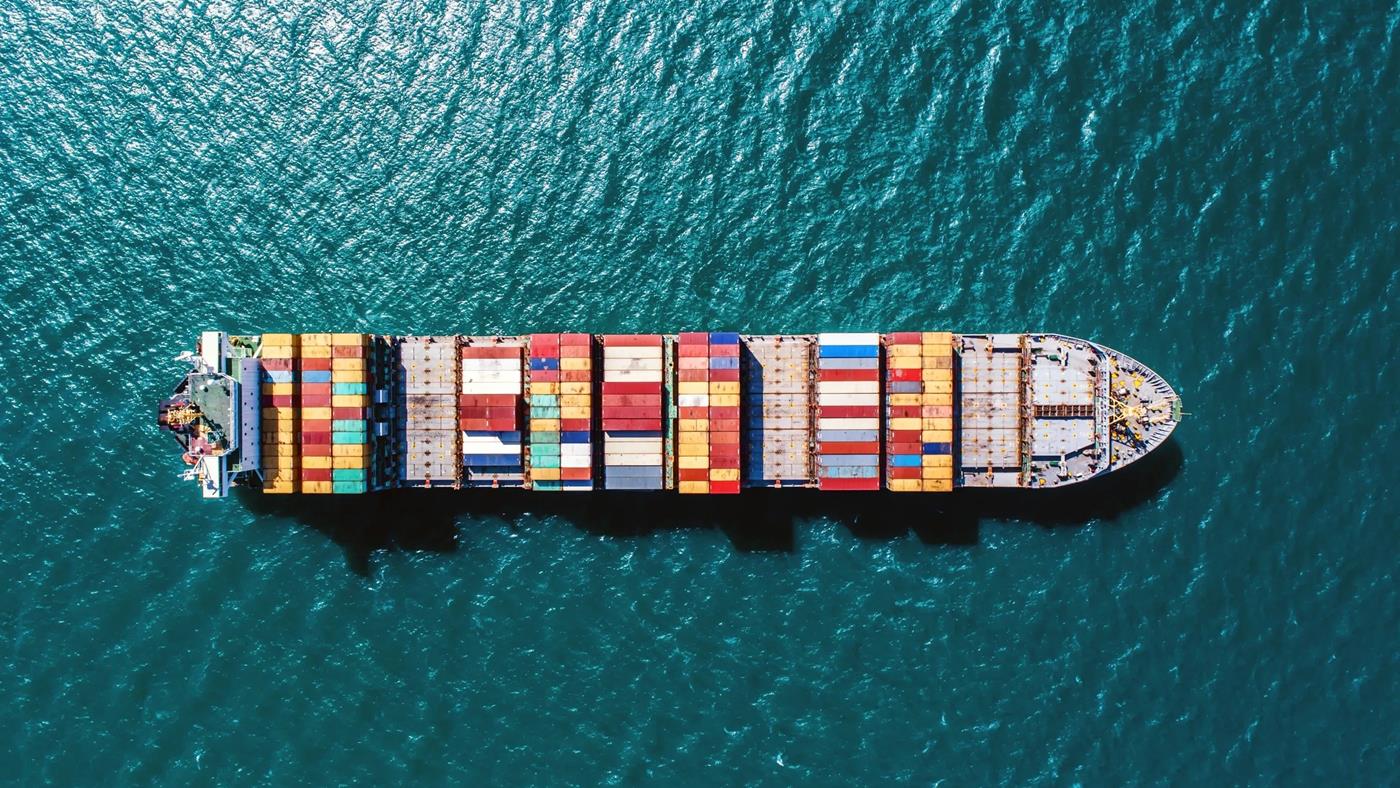
Tanker Ship Captain Salary: Oil and Chemical Tanker Captain Earnings Guide
The tanker ship captain salary represents premium compensation in the maritime industry, reflecting the hazardous nature of cargoes and the tremendous responsibility these professionals shoulder in energy transportation. Tanker ship captains command vessels transporting crude oil, refined petroleum products, and chemicals essential to global energy markets, managing operations that carry cargoes valued at hundreds of millions of dollars. Understanding tanker ship captain salary helps maritime professionals plan careers and negotiate fair compensation for their specialized expertise.
Questions about tanker ship captain salary consistently rank among the most searched maritime career queries, reflecting strong interest from experienced seafarers seeking advancement to command positions. The tanker ship captain salary varies significantly based on cargo type, vessel size, company, and experience level, creating diverse compensation opportunities across the tanker shipping industry.
Tanker Ship Captain Salary Overview
The tanker ship captain salary typically ranges from $110,000 to $250,000 annually depending on cargo type and vessel size. This premium compensation reflects the hazardous nature of petroleum and chemical cargoes and the specialized expertise required for tanker operations.
Monthly compensation during active service periods typically ranges from $9,000 to $20,000, with the highest-paid commanders on ultra-large crude carriers and LNG vessels earning $18,000 to $25,000 monthly. These figures represent base compensation excluding additional benefits including paid leave, health insurance, pension contributions, and various allowances.
The tanker ship captain salary by cargo type shows significant variation, with crude oil tankers commanding the highest compensation followed by product tankers and chemical tankers. This variation reflects the different hazard levels and technical requirements associated with each cargo type.
When examining tanker ship captain salary per year, experienced captains consistently earn $150,000 to $250,000 annually, with the highest performers on the largest vessels commanding compensation packages exceeding $300,000 including bonus payments and allowances.
Tanker Ship Captain Salary by Cargo Type
Cargo type represents the largest factor influencing tanker ship captain salary, with clear compensation progression based on hazard levels and technical requirements.
Crude Oil Tanker Captain: Crude oil tanker captains command the highest compensation in the tanker shipping industry, typically earning $150,000 to $250,000 annually. These positions involve managing vessels carrying crude oil worth hundreds of millions of dollars, with compensation reflecting the hazardous nature of the cargo and the enormous economic value under supervision.
Product Tanker Captain: Product tankers transport refined petroleum products including gasoline, diesel, and jet fuel. Product tanker captain salary typically ranges from $100,000 to $160,000 annually, offering competitive compensation for managing hazardous cargoes with somewhat lower risk than crude oil operations.
Chemical Tanker Captain: Chemical tankers transport hazardous and non-hazardous chemicals requiring specialized handling. Chemical tanker captain salary typically ranges from $95,000 to $150,000 annually, with compensation varying based on the types of chemicals transported and associated hazard levels.
Oil Tanker Captain: The term oil tanker captain encompasses both crude and product tanker positions, with compensation reflecting the specific cargoes handled. Experienced oil tanker captains typically earn $120,000 to $220,000 annually based on vessel size and cargo type.
Factors Influencing Tanker Ship Captain Salary
Multiple factors beyond cargo type influence tanker ship captain salary, creating variation that reflects individual circumstances and market conditions.
Vessel Size: Larger tankers command higher compensation reflecting increased complexity and cargo value. Captains of ultra-large crude carriers (ULCCs) earning 2+ million barrels command the highest tanker ship captain salary figures.
Experience Level: Captains with more years of tanker experience command progressively higher salaries. New tanker captains typically earn $100,000 to $130,000 annually, while experienced captains with 10+ years of tanker command experience earn $180,000 to $250,000.
Company: Major oil companies and established tanker operators offer competitive tanker ship captain salary packages. These companies provide structured compensation, comprehensive benefits, and stable employment for qualified captains.
Trading Routes: Long-haul international routes command premium compensation compared to regional operations. Captains serving on major crude oil routes from the Middle East, West Africa, or Venezuela typically earn more than those on regional routes.
Certifications: Advanced tanker endorsements, safety management certifications, and specialized training command premium compensation. These qualifications reflect rare expertise that shipping companies value highly.
Tanker Ship Captain Responsibilities and Requirements
Understanding tanker ship captain salary requires recognizing the substantial responsibilities and requirements that justify premium compensation in the tanker shipping industry.
Tanker ship captains hold ultimate responsibility for vessel safety, cargo operations, crew welfare, and regulatory compliance specific to petroleum and chemical transportation. They must ensure adherence to international maritime regulations including MARPOL, SOLAS, and ISM Code requirements specific to hazardous cargo operations.
The technical requirements for tanker command include advanced certifications for petroleum and chemical tanker operations, extensive experience with cargo handling systems, and thorough understanding of cargo chemistry and hazard management. Captains must demonstrate exceptional knowledge of loading, unloading, and cargo transfer operations involving hazardous materials.
Safety responsibilities are paramount in tanker operations, with captains overseeing complex procedures for cargo handling, tank cleaning, gas freeing, and emergency response. The potential consequences of safety failures in tanker operations justify the premium tanker ship captain salary levels.
The extensive specialized training, certification, and experience requirements for tanker command limit the supply of qualified captains, supporting premium compensation levels for those meeting these demanding standards.
Career Path to Tanker Ship Command
Reaching tanker ship captain salary levels requires 15-20 years of progressive maritime experience with specialized tanker training and experience.
The career path typically begins with maritime academy education followed by entry-level positions on general cargo vessels. Progressive advancement requires completing sea service requirements, obtaining officer certifications, and developing expertise in tanker operations through deliberate career choices.
Tanker-specific experience typically begins at the junior officer level, with aspiring captains completing progressively responsible positions including second mate, chief mate, and chief officer roles on tankers. This specialized experience develops the technical and operational expertise necessary for tanker command.
The transition from chief officer to tanker captain requires demonstrating exceptional performance, leadership capabilities, and specialized tanker expertise. Upon promotion, tanker ship captain salary increases substantially from chief officer levels, reflecting the greater responsibility and specialized expertise required for command positions.
The tanker ship captain salary reflects premium compensation for maritime professionals who complete extensive specialized training and gain the tanker experience necessary for command positions. With strong demand for qualified tanker commanders and compensation packages among the highest in maritime, tanker command offers rewarding careers for dedicated professionals committed to hazardous cargo operations.




Comments (0)