Winter Storm Preparedness Guide 2026: How to Prepare for Extreme Winter Weather in the USA
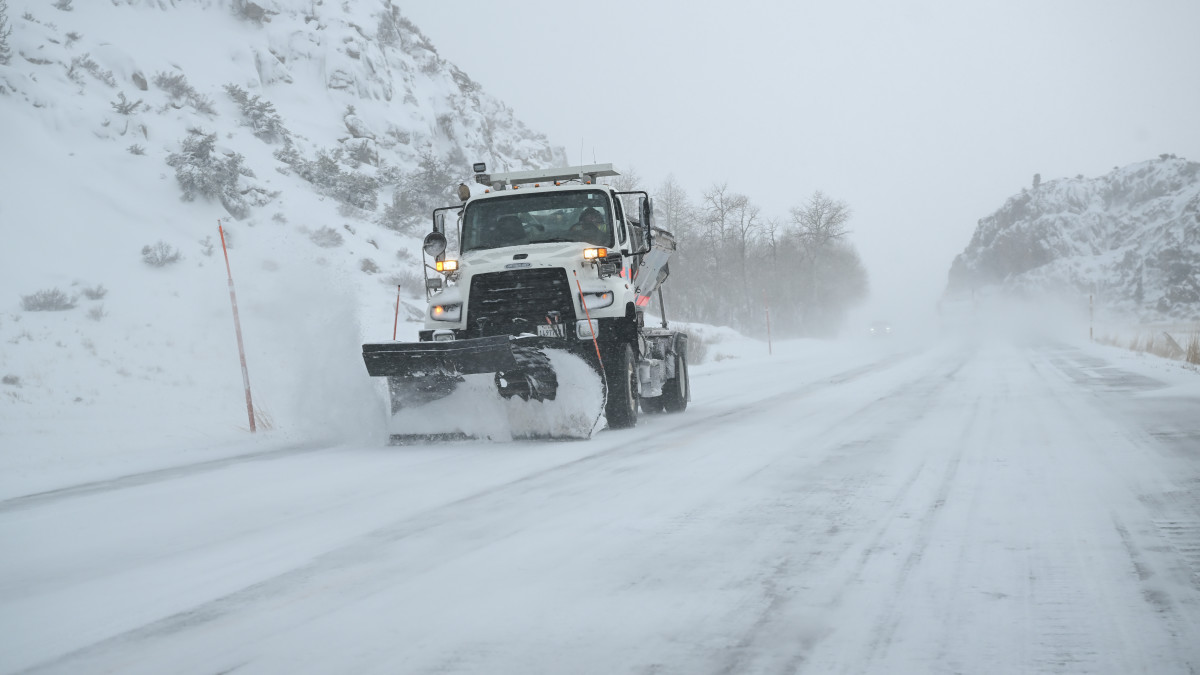
Winter storms pose some of the most dangerous emergency situations that American families can face, combining extreme cold, heavy snowfall, ice accumulation, and sometimes devastating power outages that can leave communities isolated for days or even weeks. As climate patterns continue to produce increasingly severe winter weather events across the United States, understanding how to prepare for winter storms has become essential knowledge for households in every region that experiences cold weather conditions. Recent extreme weather events affecting half the country simultaneously have highlighted just how vulnerable many Americans remain to winter storm impacts, underscoring the urgent need for comprehensive preparedness planning.
The consequences of inadequate winter storm preparation can be severe and even life-threatening, with hypothermia, frostbite, carbon monoxide poisoning, and falls on ice all representing serious risks during winter weather emergencies. Additionally, winter storms frequently cause extended power outages that leave families without heating, electricity, and access to essential services. The combination of cold temperatures and infrastructure failures creates a perfect storm of hazards that can escalate quickly if families have not prepared adequately in advance.
Whether you live in a region that experiences regular winter weather or an area where severe winter storms are a rare but real possibility, having a comprehensive winter storm preparedness plan can make the difference between weathering the storm safely and facing dangerous emergency situations. This comprehensive guide covers everything you need to know about preparing for winter storms in 2026, drawing on the latest guidance from FEMA, the American Red Cross, the National Weather Service, and other authoritative sources to provide you with actionable steps you can take to protect your family.
Why Winter Storm Preparedness Matters More Than Ever in 2026
Winter storms in the United States have become increasingly severe and unpredictable in recent years, with climate patterns producing extreme weather events that challenge even well-prepared communities. Recent winter storm systems have affected vast portions of the country simultaneously, creating cascading failures across infrastructure systems and overwhelming emergency response capabilities in multiple states at once 235. This trend toward larger, more severe winter weather events means that individual and family preparedness has never been more important.
The economic impact of winter storms on unprepared families can be substantial, ranging from emergency purchases at inflated prices during storms to costly property damage from burst pipes and extended periods without heat. Beyond the financial costs, the physical and psychological toll of winter storm emergencies can be significant, particularly for vulnerable populations including young children, elderly adults, and individuals with chronic medical conditions. Taking time before winter weather strikes to develop and implement a comprehensive preparedness plan represents one of the most important investments families can make in their safety and wellbeing.
Historical data consistently shows that the majority of winter storm fatalities occur in vehicles or in homes without adequate heating, highlighting the critical importance of preparation both for travel and for shelter-in-place situations. The National Weather Service emphasizes that winter storms may cause extended power outages, making it essential for families to have plans for alternative heating sources, food preparation methods, and communication systems that function without electricity 240. Understanding these risks and preparing accordingly can dramatically reduce the danger winter storms pose to your family.
Understanding Winter Storm Hazards and Risks
Winter storms present multiple simultaneous hazards that compound the danger they pose to people and property. Extreme cold represents the most immediate threat to personal safety, with wind chill temperatures capable of causing frostbite on exposed skin within minutes and potentially life-threatening hypothermia even in conditions that might otherwise seem manageable. The National Weather Service advises people to avoid being outside during the coldest points of the day during winter storm events, as even brief exposure to extreme conditions can result in serious injury 238.
Ice accumulation creates treacherous conditions that lead to numerous injuries and fatalities each winter season. Even thin layers of ice can cause catastrophic falls, while ice on roads and highways contributes to thousands of vehicle accidents annually. The weight of accumulated ice can also damage trees and power lines, leading to extended power outages that compound the challenges families face during winter emergencies. Preparing for ice storms requires attention to both personal safety during icy conditions and contingency plans for when ice causes infrastructure failures.
Snow accumulation, while often beautiful, can create dangerous conditions that isolate families in their homes, block emergency vehicle access, and collapse structures not designed to bear heavy snow loads. The physical exertion of shoveling snow, combined with cold temperatures, creates significant cardiac stress that accounts for numerous fatalities each winter. Understanding these interconnected hazards helps families develop comprehensive preparedness strategies that address the full range of winter storm risks.
Building Your Winter Storm Emergency Kit: Essential Supplies
One of the most fundamental aspects of winter storm preparedness is assembling comprehensive emergency supplies that can sustain your family through extended periods without access to stores, power, or emergency services. FEMA recommends creating a winter emergency kit containing essential supplies including blankets, non-perishable food, water, medications, and additional critical items 244. The key principle guiding emergency kit preparation is self-sufficiency: your kit should enable your family to remain safe and comfortable for at least three days without external assistance.
Water and Food Supplies: The American Red Cross recommends storing at least one gallon of water per person per day, with a minimum three-day supply for emergency situations and a two-week supply for home preparedness 247. For winter storm preparation, consider that water supplies may be compromised by frozen pipes, power outages affecting well pumps, or contamination from damaged infrastructure. Stock both bottled water and containers that can be filled with tap water before storms arrive. For food, prioritize non-perishable items that require minimal preparation and no refrigeration, such as canned goods, dried fruits, nuts, energy bars, and other shelf-stable options that provide substantial nutrition 227.
Warmth and Bedding Supplies: Maintaining body temperature during winter emergencies requires dedicated supplies for warmth. Include multiple blankets per family member, sleeping bags rated for cold temperatures, and extra warm clothing including hats, gloves, socks, and layers that can be worn indoors. Ready.gov suggests keeping extra winter clothing in your emergency kit, along with hand warmers and other heat-generating products that can provide supplementary warmth 235. If your home loses heating capacity, these supplies become critical for preventing hypothermia.
Lighting and Power Alternatives: Reliable off-grid lighting and power sources are essential components of winter storm preparedness, as power outages are among the most common and longest-lasting impacts of severe winter weather. Include battery-powered or hand-crank flashlights and lanterns, along with spare batteries in sizes that fit all your devices. Consider solar-powered chargers or power banks that can keep cell phones operational for communication during extended outages. The Red Cross recommends including radios and flashlights in your emergency go bag to maintain access to information and illumination 235.
Vehicle Winter Emergency Kit Essentials
If winter weather catches you on the road or if you need to travel during or immediately after a storm, having a properly equipped vehicle emergency kit can be life-saving. The National Weather Service recommends carrying a Winter Storm Survival Kit in your vehicle that includes a mobile phone with charger, blankets, food, water, and other essential supplies 250. This kit should be maintained year-round but becomes especially important during winter months.
Essential vehicle emergency supplies include jumper cables or a portable jump starter, sand or cat litter for traction on icy surfaces, a flashlight with extra batteries, a small shovel for digging out of snow drifts, and ice scrapers or snow brushes. Keep warm blankets, extra warm clothing, and waterproof matches or lighters in your vehicle as well. Ready.gov suggests including jumper cables, sand, a flashlight, warm clothes, blankets, bottled water, and nonperishable snacks in your vehicle emergency kit 243.
Maintain at least half a tank of gas in your vehicle during winter storm seasons, as the National Weather Service advises 238. This practice ensures you have sufficient fuel for extended idling if stranded, can evacuate if necessary, and won’t run empty during fuel shortages that commonly accompany major winter storms. Additionally, keep your cell phone charged while traveling and inform family members of your intended route and estimated arrival time during winter weather conditions.
Preparing Your Home for Winter Storm Conditions
Home preparation for winter storms focuses on three primary objectives: minimizing heat loss, maintaining alternative heating capabilities, and protecting your property from cold-related damage. Entergy recommends winterizing your home by insulating walls and attics, caulking and weather-stripping doors and windows, and installing storm windows or covering windows with plastic to reduce heat loss 237. These relatively low-cost improvements can significantly reduce your heating requirements and maintain more comfortable indoor temperatures during power outages.
Before winter weather arrives, thoroughly check your heating system to ensure it will operate reliably when needed most. The Red Cross advises that before the winter season begins, you should make sure you can heat your home safely, which includes having your furnace or heating system professionally inspected and serviced 236. If you use a fireplace, ensure the chimney has been cleaned and inspected for creosote buildup, and verify that dampers function properly. For homes that rely on fuel oil or propane for heating, ensure adequate fuel supplies are stocked before winter storms arrive.
Protecting your property from freezing damage requires attention to plumbing in vulnerable areas. Insulate exposed pipes in unheated spaces like crawl spaces, garages, and exterior walls. Know how to shut off your home’s water supply and drain pipes if necessary, as burst pipes from freezing can cause catastrophic water damage that compounds winter storm impacts. The National Weather Service recommends making sure farm animals and pets also have appropriate shelter and supplies during winter emergencies 228, extending preparedness planning to include all family members, whether two-legged or four-legged.
Power Outage Planning and Alternative Heating Safety
Power outages are among the most common and potentially dangerous consequences of winter storms, as they can leave families without heating, lighting, refrigeration, and communication capabilities for extended periods. Developing a comprehensive power outage plan before storms arrive helps families respond effectively when outages occur and prevents dangerous situations that can arise from improper alternative heating methods.
Never use gas stoves, ovens, or outdoor grills for heating purposes, as the American Red Cross and safety experts strongly warn against these practices due to the serious risk of carbon monoxide poisoning 241. Similarly, do not use gas-powered generators, cars, or other fuel-burning equipment indoors or in enclosed spaces. If you must use a generator for emergency power, place it outdoors in a well-ventilated area away from windows and air intake vents. Carbon monoxide is a colorless, odorless gas that can accumulate quickly in enclosed spaces and cause fatal poisoning without warning.
Alternative heating options that can be used safely include properly maintained fireplaces, wood stoves that are correctly installed and vented, and portable space heaters designed for indoor use that feature automatic shut-off protections. Keep all flammable materials, including curtains, bedding, and furniture, at least three feet away from heating sources. The National Weather Service emphasizes using care with any alternative heating source, ensuring that adequate ventilation is maintained and that heating equipment is never left unattended while operating 239.
Personal Safety During Winter Storm Conditions
Protecting yourself and your family from cold-related injuries requires understanding the warning signs of hypothermia and frostbite, knowing how to prevent these conditions, and having plans in place to minimize exposure during winter storm emergencies. Hypothermia develops when body temperature drops below 95 degrees Fahrenheit, and can occur even at temperatures above freezing if conditions are wet and windy. Warning signs include shivering, confusion, slurred speech, and loss of coordination 236. If you suspect hypothermia in yourself or others, seek warmth immediately and seek medical attention if symptoms are severe.
Frostbite occurs when skin and underlying tissues freeze, most commonly affecting extremities including fingers, toes, ears, and nose. Early signs of frostbite include numbness, tingling, and white or grayish-yellow skin that may feel unusually firm or waxy. If you suspect frostbite, warm the affected area slowly using warm water or body heat, and seek medical attention for proper treatment. The National Weather Service advises staying warm indoors to prevent frostbite and hypothermia, emphasizing that these conditions can develop surprisingly quickly in extreme cold 236.
When travel is absolutely necessary during winter weather conditions, dress in layers and ensure all exposed skin is protected. Wear a hat, as a significant amount of body heat is lost through the head. Mittens are generally warmer than gloves, and insulated waterproof boots are essential for preventing cold-related foot injuries. The Centers for Disease Control and Prevention recommends covering your mouth to protect your lungs from extreme cold air and taking breaks from the cold to warm up in sheltered locations whenever possible.
Special Considerations for Vulnerable Populations
Certain population groups require additional attention and planning during winter storm emergencies due to increased susceptibility to cold-related injuries or unique needs that standard emergency preparations may not adequately address. Elderly adults, young children, individuals with chronic medical conditions, and people experiencing homelessness all face elevated risks during winter weather emergencies and may require additional assistance or modified preparedness plans.
Ready.gov provides specialized resources for older adults, suggesting the use of worksheets and checklists in the Take Control in 1, 2, 3—Disaster Preparedness Guide for Older Adults to develop personalized emergency plans 229. For elderly family members or neighbors, consider regular check-ins during winter storms, assistance with emergency supply stocking, and plans for evacuation or relocation if home heating becomes inadequate. Many communities have warming centers that provide safe refuge during extreme cold events, and knowing the locations and hours of these facilities in advance can be lifesaving information.
Families with infants require particular attention to temperature regulation, as babies lose body heat more quickly than adults and cannot generate heat through shivering like adults can. Ensure adequate blankets, warm clothing, and heated spaces for infants, and monitor them closely for signs of cold stress. Individuals with medical conditions that affect circulation, diabetes, or certain medications may also have reduced ability to warm themselves and should take extra precautions during winter emergencies.
Monitoring Weather Conditions and Responding to Warnings
Effective winter storm preparedness requires staying informed about developing weather conditions and responding appropriately to warnings and advisories issued by the National Weather Service. Modern technology provides numerous channels for receiving weather information, including smartphone apps, NOAA Weather Radio, local television and radio broadcasts, and community notification systems. The key is establishing multiple redundant information sources so that you can receive warnings even if one channel fails.
The National Weather Service issues several types of winter weather alerts that convey different levels of threat and expected impact. Winter Storm Watches indicate the potential for significant winter weather within 24 to 48 hours, providing time to complete final preparations. Winter Storm Warnings indicate that dangerous winter weather is imminent or occurring and should prompt immediate action to finalize preparations and seek shelter. Winter Weather Advisories indicate less severe conditions that still pose hazards requiring caution and preparation 238.
Paying attention to local weather forecasts and following advice from local authorities is essential during winter weather events, as specific conditions can vary significantly even within relatively small geographic areas. Ready.gov emphasizes that winter storms may cause power outages and other infrastructure failures, making it important to monitor conditions continuously and adjust your plans accordingly 240. Having a battery-powered radio available ensures you can receive emergency broadcasts even during extended power outages.
After the Storm: Recovery and Damage Assessment
Once winter storm conditions subside, the recovery phase begins, which brings its own set of hazards and considerations. Exercise caution when venturing outside after storms, as ice may remain on surfaces, snow may hide hazards, and weakened structures or trees may pose collapse risks. Check on neighbors, particularly elderly residents who may need assistance with cleanup or damage assessment, as building community resilience during recovery is as important as individual preparedness.
Begin damage assessment by checking your property for signs of cold-related damage including burst pipes, roof leaks from snow accumulation, and structural issues from ice weight. Document any damage with photographs for insurance purposes before making repairs or cleanup. The Federal Emergency Management Agency (FEMA) offers various assistance programs for individuals and communities affected by major winter storm disasters, and understanding these resources in advance can speed recovery if your area qualifies for federal assistance.
Gradually return to normal activities while remaining alert for changing conditions, as secondary winter weather events can follow initial storms and create additional hazards. Continue monitoring weather forecasts and be prepared to implement your emergency plan again if necessary. The experience of surviving a winter storm often motivates families to strengthen their preparedness for future events, making post-storm reflection an valuable time to evaluate what worked well and what improvements might be needed in your emergency plans.
Creating a Comprehensive Family Winter Storm Plan
Bringing all these elements together into a comprehensive family winter storm plan ensures that every family member knows what to do before, during, and after winter weather emergencies. Your plan should include designated meeting points if family members are separated, emergency contact information including out-of-town contacts who can serve as communication hubs if local systems are overwhelmed, and clear assignments for various preparedness tasks so that nothing is overlooked when time is short.
Communication planning is particularly important for winter storm preparedness, as cellular networks may become overloaded or damaged during major storms. Establish multiple ways for family members to communicate and receive information, including phone trees, text messaging (which often works when voice calls do not), and in-person meeting points. Teach all family members how to use emergency alerts on their phones and how to monitor weather conditions through multiple channels.
Regular practice and review of your winter storm plan helps ensure that everyone remembers their responsibilities and can execute the plan effectively under stress. Conduct seasonal reviews before winter weather seasons arrive, checking that emergency supplies are complete and current, that equipment like generators and portable heaters are operational, and that family members remember key procedures. This regular attention to preparedness dramatically increases the likelihood that your family will weather winter storms safely and effectively.
Winter storm preparedness requires investment of time, attention, and resources throughout the year, but this investment pays dividends in safety, security, and peace of mind when winter weather threatens. By following the guidance from FEMA, the Red Cross, the National Weather Service, and other authoritative sources, families can develop comprehensive plans that protect against the full range of hazards winter storms present. Start your preparations today, and face whatever winter 2026 brings with confidence that your family is ready.






Comments (0)